

Why Just 10 Minutes of Meditation Actually Works
For a long time, I used to think meditation was only for people who had their entire lives together—the kind of people who wake up at 5:00 AM, drink green juice, and somehow never get stressed in traffic. As someone whose brain usually feels like a browser with 47 tabs open (and music playing from an unknown source), sitting in total silence sounded more like torture than relaxation.
But here’s the secret I eventually learned: meditation isn’t about emptying your mind or achieving some monk-like state of perfection. It’s just about hitting the “pause” button on your day.
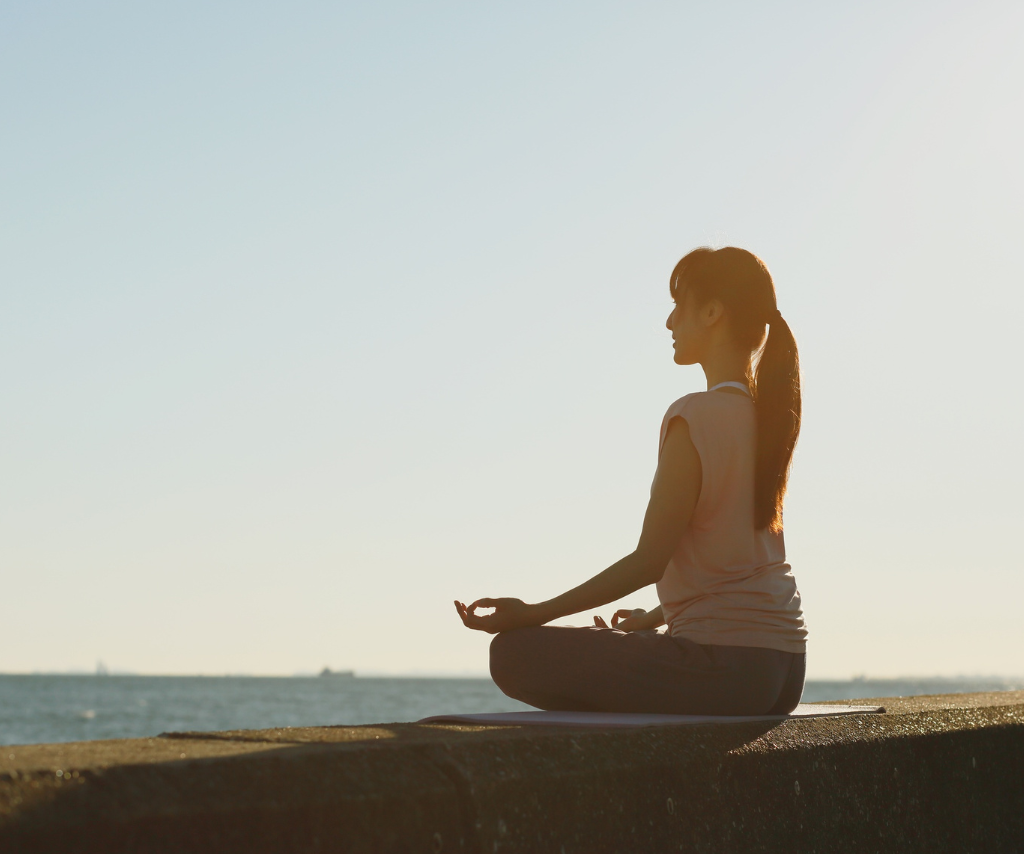
If you’ve been on the fence about trying it, here is what actually happens when you carve out just 10 minutes a day to simply breathe.
1. It acts as a buffer for your stress
When we’re rushing from emails to meetings to chores, our nervous system gets stuck in “fight or flight” mode. Meditation acts as a physiological reset. By taking slow, intentional breaths, you’re literally sending a signal to your brain that you are safe. Over time, this actually lowers cortisol levels, making those minor everyday annoyances feel much more manageable.
2. It upgrades your attention span
In a world of constant notifications and infinite scrolls, our attention spans have taken a massive hit. Think of meditation as a gym workout for your focus. Every time your mind wanders to what you’re making for dinner, and you gently bring it back to your breath, you are doing a “bicep curl” for your brain. It trains you to stay present with the task in front of you.
3. You start responding instead of reacting
Have you ever snapped at someone and immediately regretted it? That’s a reaction. Meditation creates a tiny, split-second gap between a trigger (like a frustrating email) and your response to it. That brief pause is where you get to choose how you want to handle the situation, rather than just acting on autopilot.
How to actually start (without failing)
The biggest myth is that if you’re thinking during meditation, you’re doing it wrong. Brains are designed to think. You wouldn’t get mad at your heart for beating, so don’t get mad at your brain for producing thoughts.
Start ridiculously small. Try just three minutes. Sit comfortably, close your eyes, and just feel the physical sensation of breathing in and out. When you get distracted—and you will, probably within ten seconds—just notice it, and come back. That’s the whole practice. No green juice required.